The promotion that keeps not happening
You deliver, you are respected, and someone else gets the role. That decision was made months earlier, in a room you weren't in. The work is making sure someone in that room speaks for you.
I led commercial teams for twenty years, almost a decade of it at Google, selling to executive committees and sitting on the decisions about who got promoted. I now coach senior leaders on how to win that same backing for their ideas, their teams and their own next role.
The method here is not improvised. My two books, published by Hachette Group UK, set out what I have learned about selling, managing people and coaching.
The books →You deliver, you are respected, and someone else gets the role. That decision was made months earlier, in a room you weren't in. The work is making sure someone in that room speaks for you.
You are ready for a bigger mandate, or a different country, and the market is not responding the way your track record suggests it should. Usually the record isn't the problem; the process is.
You need the board, your peers or another function to move, and you have no authority over any of them. At this level, results depend on influence far more than on effort.
I work with senior managers and executives at large companies in technology, FMCG, pharma, telecom and professional services. Many of them are working internationally, or rebuilding a career in a new country.
A career move is a sale with a long cycle, very few buyers and one product. Treated as a process, it becomes something you can work on rather than wait for.
What exactly you are selling, to whom, and why it beats the alternatives on their desk. Most people have never put this into a single sentence.
Who actually decides, who they listen to, and what each of them is measured on. Rarely the person running the interview, almost never HR.
Enough live conversations that no single one can sink the whole thing. This protects your judgement as much as your odds.
Scope, level, mandate, money. The terms are set in the last two conversations, and most people stop selling right before them.
You don't have to take the method on trust. Both books set out the same thinking I use with clients: selling, managing people, and coaching.
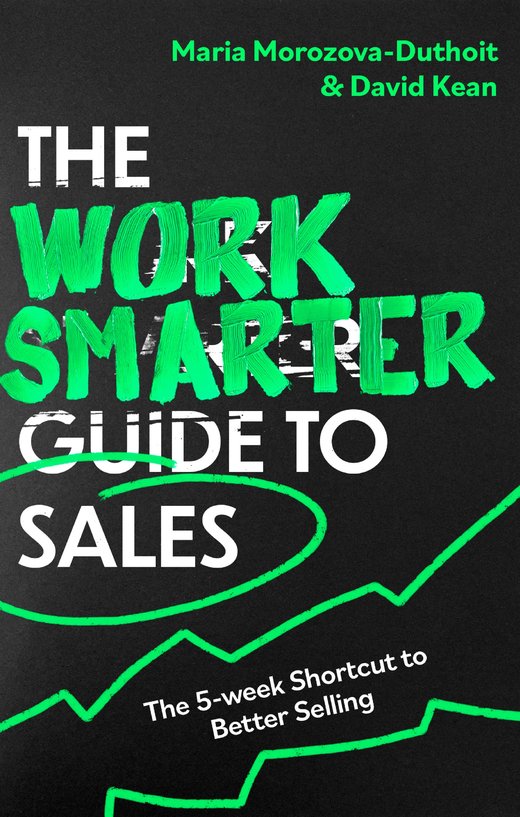
A five-week course that reframes selling around what people actually need, built on frameworks and exercises rather than scripts.
Find it on Amazon
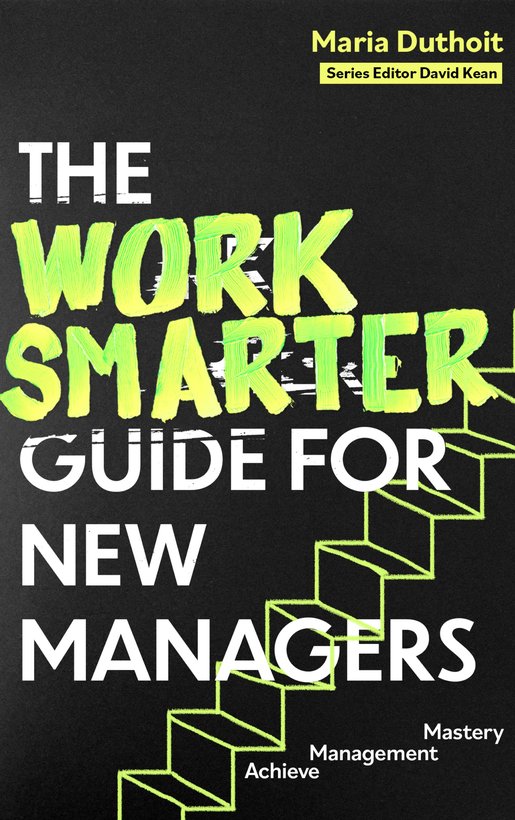
The move from expert to leader: how the work itself changes, and the practical tools for managing yourself and a team through that shift.
Find it on AmazonBoth titles on the publisher's site →
I have spent most of my career selling, and leading the people who sell: first in international advertising agencies in Moscow, then for eight years at Google.
I finished there as Sales Director for large customers across EMEA emerging markets — a portfolio of more than $200M, a team of thirty, and a daily job of turning complex strategies and transformations into a business case an executive committee would act on. I also sat on the other side of promotion decisions for years, which is why I am direct with clients about how those decisions actually get made.
Since 2022 I have worked independently: coaching senior leaders, advising on commercial questions, and writing. I work in English and Russian, online, from Paris.

I am really impressed how Maria combines IQ and EQ. A helicopter view, deep business knowledge and experience, understanding of insights and the right level of flexibility — that's why I decided to be coached by her. She shifted my perspective and helped me gain self-awareness, especially in the areas where my perceived barriers were not grounded in reality. Maria also helped me to formulate goals and design an action plan to obtain the desired outcome.
We agreed how we would work before we began, so the process was completely transparent. Maria has a clear, structured approach and a definite plan — and she keeps a healthy level of challenge, which is exactly what this kind of work needs. We spent time restating what I actually needed, so the goal was unambiguous. Because she knows several markets well, her recommendations are specific and focused: it is always clear what to build on and where to go next.
Single sessions are €250. Most people work with me for three to six months — long enough to carry a search or a promotion cycle through to the end. Rates for the Russian-speaking market differ; ask me.
An Executive MBA from HEC Paris. The Systemic Executive Coaching Mastery program by Jan Ardui, 120 hours, which I returned to the following year as an assistant trainer. And the internal coaching programmes Google runs for its managers, where coaching your own people is treated as part of the job rather than an extra.
Alongside that: twenty years of running commercial teams, and two books on selling and managing published by Hachette Group UK.
English and Russian. I live in Paris and read French, but I coach in the two languages where I can work at full speed.
Yes. What is said in a session stays there.
If your employer pays, we agree in advance exactly what they receive — normally confirmation that the sessions took place, and nothing about their content unless you choose to share it. We set that out together, with them, before we start.
Often, yes, and it is worth asking — development budgets for senior people usually exist and are usually underspent. The conversation lands better a few months in, when you have something concrete to point at. I am happy to help you build that case.
Yes. The same method applies to getting your agenda through a board, building support across functions you don't control, and being considered for things before they are ever advertised. The sale is the same; only the buyer changes.
Thirty minutes, no preparation, no obligation. If I am not the right person for it, I will say so on the call.
Or write to duthoit.maria@gmail.com